
A gentleman’s accessory kit has always been a small portrait of daily life. In the 1800s, it showed class, manners, grooming, discipline, and social readiness. Today, it says more about mobility, work habits, health tracking, travel, and personal style.
The objects changed, but the purpose stayed familiar: carry what helps a man look prepared, move through public life with confidence, and signal taste without saying much.
What Counted As A Gentleman’s Kit In The 1800s?
There was no single fixed kit in the 19th century. A well-dressed man’s accessories varied by class, city, profession, and occasion.
Still, a recognizable group of items kept appearing in portraits, fashion plates, museum collections, travel cases, and etiquette culture.
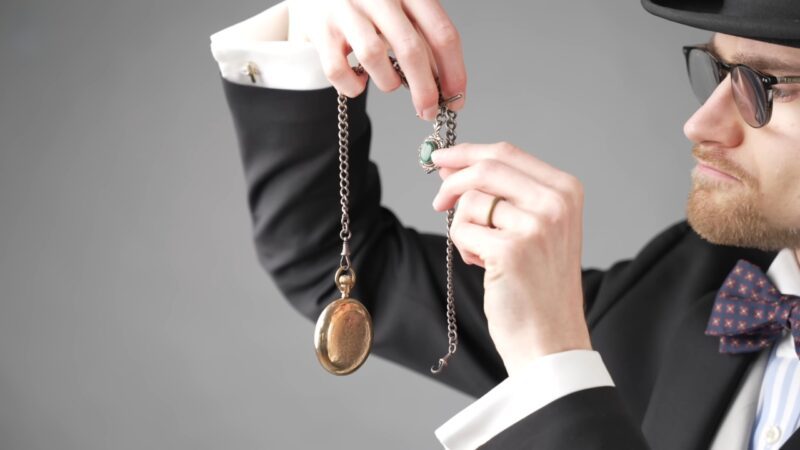
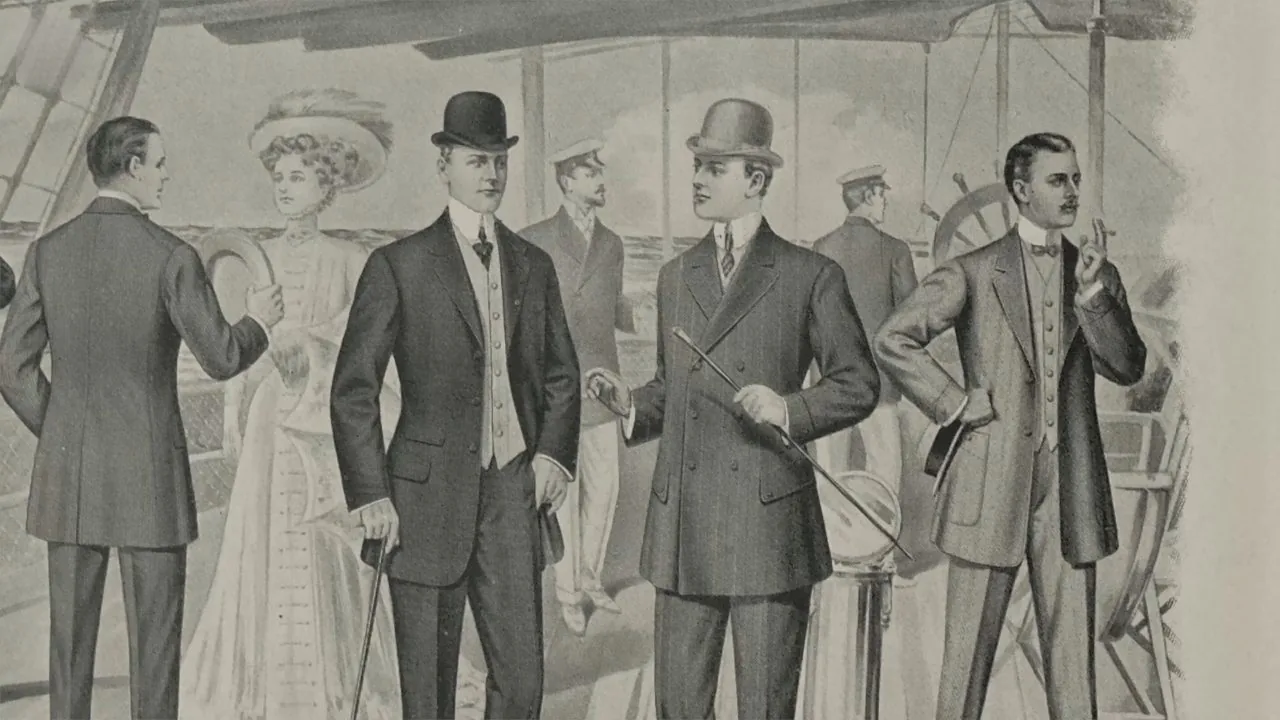
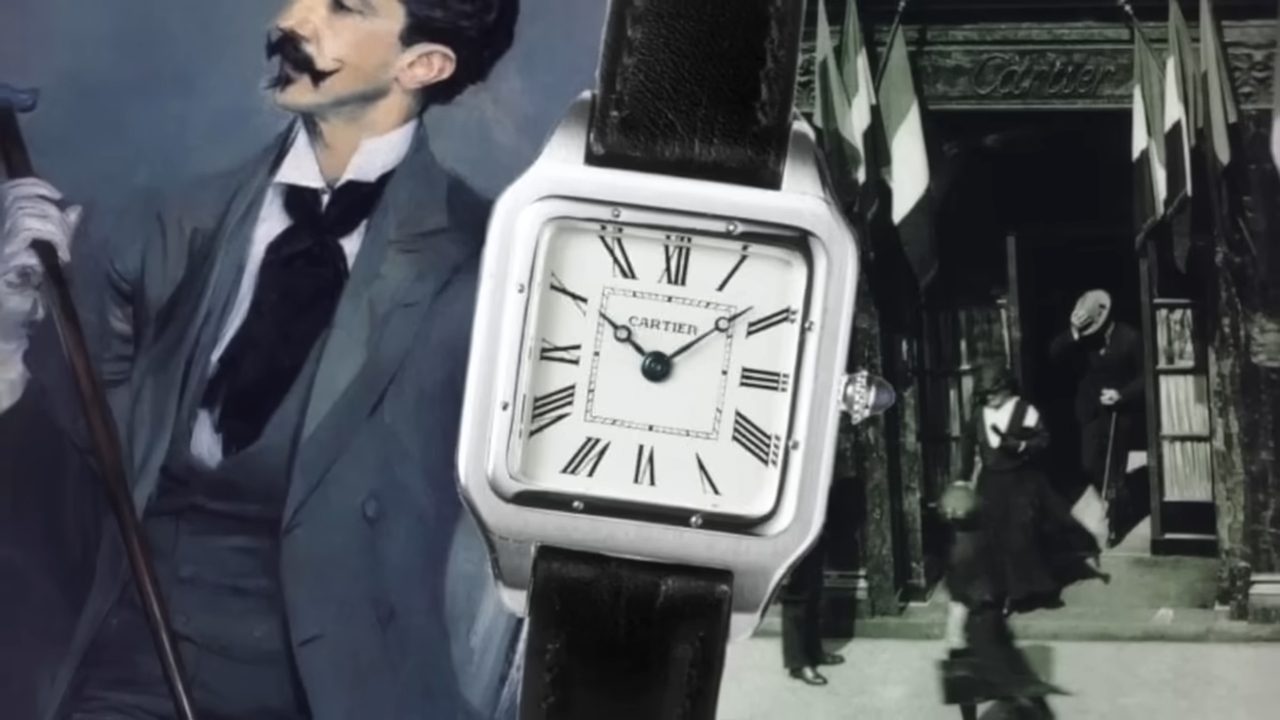
Museum at FIT notes that the late 19th-century men’s dress placed heavy value on neatness, clean shoes, gloves, and a carefully managed appearance. Accessories helped create that polished effect, especially in formal urban life. The 19th-century gentleman moved through a world where dress codes carried social weight. A cane was rarely only a walking aid. The Metropolitan Museum of Art describes canes as elegant accessories in the 19th century, tied to the afternoon promenade and public display among fashionable society. Some even became novelty objects, including canes with hidden compartments. The pocket watch carried a similar meaning. It helped a man manage appointments, railway schedules, business meetings, and social calls. It also offered space for visible taste. Gold cases, enamel work, engraved fobs, and Albert chains turned timekeeping into jewelry. The Met’s early 19th-century Swiss repeater pocket watch, made from gold, silver, and enamel, shows how finely crafted a portable timepiece could be. By the late Victorian period, the watch chain often sat across the waistcoat, visible enough to show polish without looking theatrical. Bow Street Police Museum notes that after around 1870, a heavy chain across the waistcoat became fashionable and was known as an Albert watch chain. Snuffboxes also belonged to the older gentlemanly world. By the 1800s, snuff use had already passed through aristocratic and fashionable circles, and the box itself often mattered as much as the contents. The Met’s discussion of ornate snuffboxes shows how materials such as agate, gold, and careful craftsmanship turned a small container into a social object. Straight razors required skill, sharpening, maintenance, and caution. Men who traveled often carried dressing cases with razors, brushes, bottles, combs, and manicure tools. Luxury versions were elaborate. Christie’s listing for an English gentleman’s traveling dressing case by Mappin & Webb from 1920 describes a fitted case containing silver-gilt grooming items and later gold accessories by Asprey. Although that example comes from the early 20th century, it reflects a long tradition of upper-class travel grooming cases built around order, status, and portability. The safety razor changed the kit dramatically. The Smithsonian’s National Museum of American History explains that King C. Gillette’s disposable-blade safety razor offered an alternative to the straight razor and removed the need for stropping or honing. Production began in 1903, and the design helped make home shaving safer and more routine. The Science Museum Group adds scale to that shift: Gillette’s company produced its first disposable-blade safety razors in 1903, and by 1904 had produced more than 90,000 razors and over 12 million blades. That moment moved men’s grooming closer to the logic of modern convenience. The kit became less ceremonial, more repeatable. A man could shave at home, pack a small razor case, and maintain a clean appearance without relying on a barber every time. The pocket watch did not disappear overnight. It lost ground because modern life demanded faster access to time. Cycling, motoring, aviation, military service, and industrial schedules all made wrist-worn timepieces more useful. Smithsonian Magazine describes the pocket watch as an early form of wearable technology and notes that active men in the 19th century began strapping pocket watches to the wrist for riding bicycles or horses. World War I pushed wristwatches further into masculine use. Soldiers needed time at a glance, without reaching into a pocket. After that, the wristwatch slowly moved from practical equipment into everyday style. By the mid-20th century, a watch could be a dress object, a tool watch, a military-inspired piece, or a gift marking adulthood. Today, the watch has split into two strong directions. Traditional watches remain tied to craftsmanship, collecting, and heritage. Smartwatches handle health data, messages, payments, maps, and calls. IDC reported that global wearable device shipments grew 9.1% year over year in 2025, reaching 611.5 million units, showing how large wearable tech has become. At the luxury end, heritage still matters. Deloitte’s 2025 Swiss watch study found that pre-owned watches are gaining interest among younger buyers, with 40% of millennials and Gen Z saying they are likely to purchase one in the coming year. The dressing case eventually shrank. Large fitted boxes gave way to soft toiletry bags, often known as Dopp kits. The usual origin story credits German-American leatherworker Charles Doppelt, whose company helped popularize compact toiletry bags in the early 20th century. A modern Dopp kit carries the same basic idea as the old dressing case, only with less ceremony. Modern leather makers such as Grainmark Leather show how that old travel-grooming idea still survives, only now through compact toiletry bags, cases, and small leather goods built for daily movement rather than formal ceremony. Razor, toothbrush, deodorant, comb, skincare, medication, fragrance, nail clippers, and beard oil all fit into one pouch. Air travel then forced another redesign. The Transportation Security Administration’s liquid rule limits carry-on liquids, aerosols, gels, creams, and pastes to containers of 3.4 ounces or less, placed inside 1 quart-sized bag per passenger. Modern kits now often separate solids, liquids, electronics, and sharp items because airports shape packing habits. The 1800s gentleman carried visible signs of social position. The modern version carries objects linked to access and identity. A phone replaces the calling-card case, pocket notebook, map, train timetable, camera, and sometimes the wallet. A slim cardholder replaces the bulky billfold. Wireless earbuds replace the cigarette case as the pocket object many men reach for during commutes, flights, and walks. A smartwatch or smart ring tracks sleep, heart rate, steps, and notifications. Grooming also expanded. Grand View Research estimated the global men’s grooming products market at $298.94 billion in 2025, with projected growth to $506.73 billion by 2033. That growth reflects a broader shift from basic shaving toward skincare, beard care, hair styling, fragrance, and wellness-oriented routines. The look is quieter now. Few men carry canes or snuffboxes as daily accessories. Still, the impulse remains familiar: choose small objects carefully because they influence how a person moves, works, travels, and appears. The gentleman’s accessory kit evolved from display to utility, then from utility to curated personal systems. The 1800s favored etiquette, visible polish, and social ritual. The 20th century added mass production, safety razors, wristwatches, wallets, pens, lighters, and travel pouches. The 21st century folded technology into nearly every pocket. A good kit today is less about looking aristocratic and more about being prepared without carrying too much. The best modern version usually balances 3 things: grooming, access, and identity. A watch still says something. So does a cardholder, a pen, a toiletry pouch, or a pair of sunglasses. The signals are subtler, but they have not vanished. The gentleman’s accessory kit has moved from cravats, canes, snuffboxes, and pocket watches to smartwatches, cardholders, earbuds, and compact grooming bags. Across 200 years, the kit has followed changes in work, travel, hygiene, technology, and class culture. Even many of the most influential people in history were recognized not only for ideas or leadership, but also for the personal objects and habits that shaped their public image. The objects became smaller and more practical, but the core idea survived: carry fewer things, choose them well, and let daily tools reflect personal standards.
Period
Common Accessories
Main Meaning
Early 1800s
Cravat, gloves, cane, pocket watch, snuffbox
Refinement and social rank
Late 1800s
Watch chain, scarf pin, collar studs, dressing case
Respectability and order
Early 1900s
Safety razor, tie clip, fountain pen, cigarette case
Modern routine and efficiency
Mid-1900s
Wristwatch, wallet, lighter, cufflinks, Dopp kit
Travel, work, and masculine polish
Today
Smartwatch, phone, cardholder, earbuds, grooming pouch
Mobility, tech, minimalism, personal branding
The 1800s: Manners, Status, And Objects With Ceremony
Grooming Moved From Barber Chair To Personal Kit
Grooming may be the biggest thread connecting the old gentleman’s kit to the modern one. In the 1800s, shaving was more demanding.The Wristwatch Replaced The Pocket Watch
The Dopp Kit Made Grooming Practical For Travel
Accessories Became Smaller, Smarter, And More Personal
What The Evolution Says About Masculine Style
Summary