

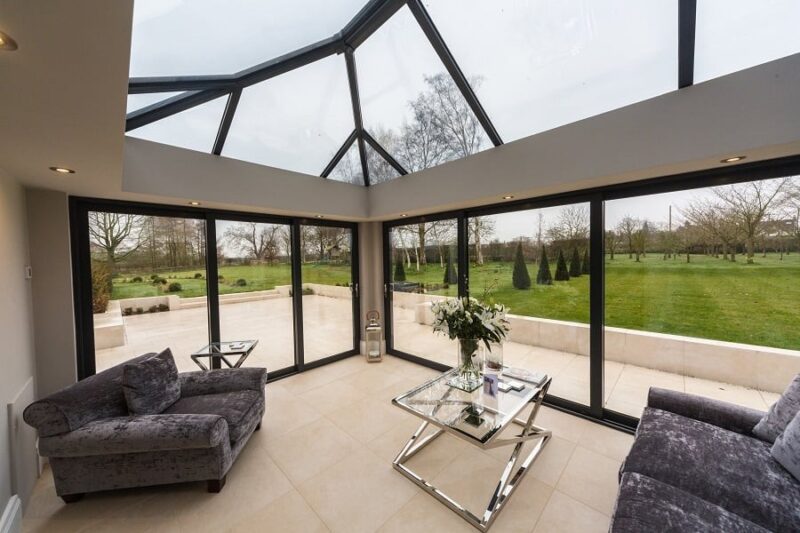
A conservatory is often imagined as the jewel of a property—a tranquil, sunlit haven that serves as the perfect architectural bridge between the comfort of the home and the beauty of the garden.
In reality, for a vast number of British homeowners, this idyllic vision collides with a harsh thermal reality.
Instead of being a flexible living area, the conservatory often becomes an “avoided space,” frustratingly scorching in the height of summer and bitterly cold in the depths of winter.
This extreme seasonal variability transforms what should be a valuable extension into little more than an expensive, glass-walled storage room for garden furniture or drying laundry.
The dream of year-round enjoyment—whether as a sophisticated dining area, a vibrant playroom for children, or a quiet home office—often succumbs to the physics of poor insulation.
The Seasonal Challenge: Why Conservatories Become Too Extreme
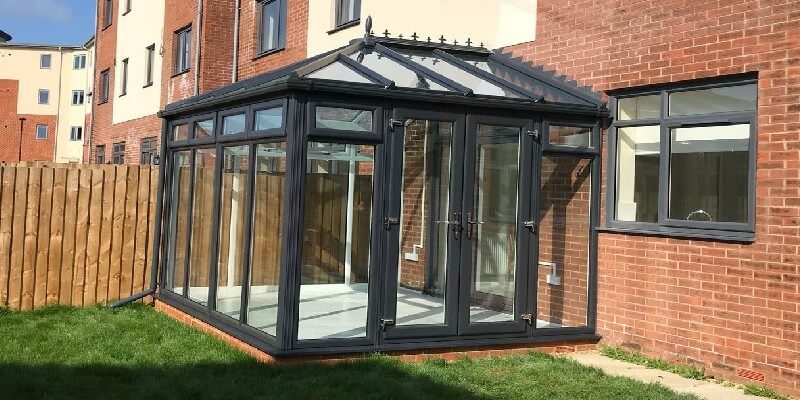
The primary cause of a conservatory’s thermal instability lies almost exclusively in its roof.
Traditional structures, typically built with thin polycarbonate sheets or standard double glazing, are highly inefficient insulators.
In the summer, they act as a magnifying glass, allowing short-wave solar radiation to pour in.
This creates an intense greenhouse effect that can push internal temperatures to unbearable levels, making the room stuffy and lethargic.
However, the discomfort isn’t just thermal; it is physical.
This temperature differential frequently leads to severe condensation issues. As warm air from the main house meets the cold glazing of the conservatory, moisture rapidly accumulates.
This results in water running down windows and pooling on sills, creating a perpetually damp environment that breeds mould and mildew—a serious risk to both the structure and the health of its occupants.
Conversely, during the colder months, this same roofing material acts as a rapid thermal conductor.
Physics dictates that heat moves to cold, meaning precious warmth generated by your home’s heating system escapes instantly through the ceiling.
This renders the space unusable without excessive auxiliary heating, which is neither cost-effective nor environmentally sound.
The Insulated Solution: Enhancing Comfort and Reducing Costs
For those who want to transform their existing glazed extension without the massive expense, waste, and disruption of demolishing and rebuilding, the solution lies in retrofitting.
This involves upgrading the existing roof structure to one that incorporates high-performance insulation.
When researching ways to permanently resolve these temperature issues, many homeowners turn to specialised construction methods.
The most effective approach creates a “hybrid” structure, retaining the airy feel of the room while giving it the thermal properties of a standard extension.
This process, often referred to as a conservatory roof conversion, involves installing a lightweight, high-performance roofing system—either by insulating the existing structure or replacing the roof entirely with a solid, tiled alternative.
Companies like Ambivo, experts in conservatory roof insulation and replacement, offer detailed guidance on how these modern systems work.
By installing multi-layered insulation, you create a thermal barrier that reflects heat in summer and traps it in winter.
Crucially, this route avoids the heavy disruption of traditional construction.
Unlike building a brick extension from scratch, which can turn a home into a building site for weeks, a roof conversion is a streamlined process.
Professional teams can often weatherproof and finish the structure in a matter of days, minimising the chaos in your daily life while delivering maximum impact.
Choosing a reputable system is vital, as a properly installed solution will transform the room into a genuine all-weather extension, usable 365 days a year.
The Acoustic and Aesthetic Advantage
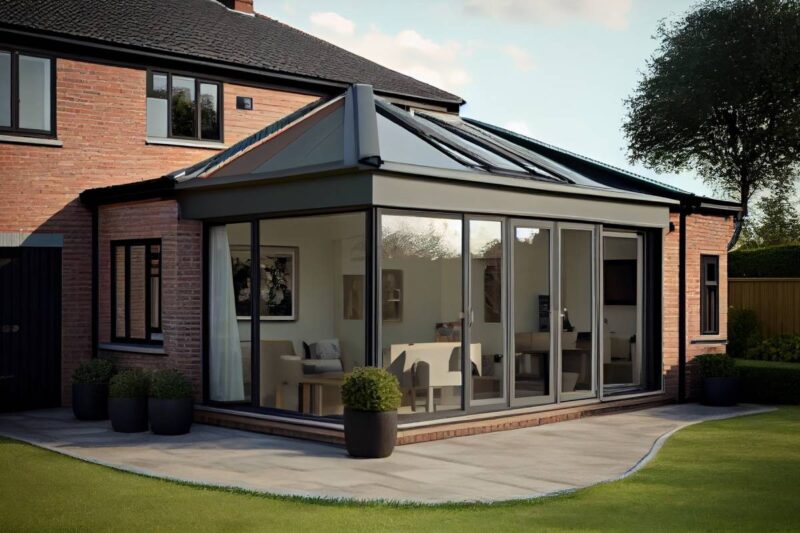
Beyond the temperature, a conversion offers profound acoustic benefits. Anyone with a polycarbonate roof knows the deafening roar created by heavy rain.
A solid or insulated roof dampens this noise significantly, turning a chaotic storm into a quiet background hum, allowing for peaceful conversation or relaxation regardless of the weather.
Aesthetically, the change is transformative.
Internally, the addition of a plastered ceiling allows the conservatory to flow seamlessly from the main house.
It removes the “temporary” feel of the structure and allows for the installation of modern lighting, such as recessed spotlights or elegant pendants, replacing the limited wall-mounted options of the past.
Key Considerations for a Successful Upgrade
Before committing to any significant modification, it is essential to consider several factors to ensure the project meets both your needs and local standards.
- Building Regulations: In the UK, converting a largely transparent roof to a fully solid, opaque roof often requires Building Control approval to ensure the structure can bear the new load and meets thermal standards (U-values). A reputable installer will manage this certification process for you.
- Property Value: Real estate experts generally agree that usable square footage is king. By converting a seasonal room into a functional, year-round living space, you are effectively increasing the habitable footprint of your home, which can positively impact its market value.
Maximising Your Home’s Potential
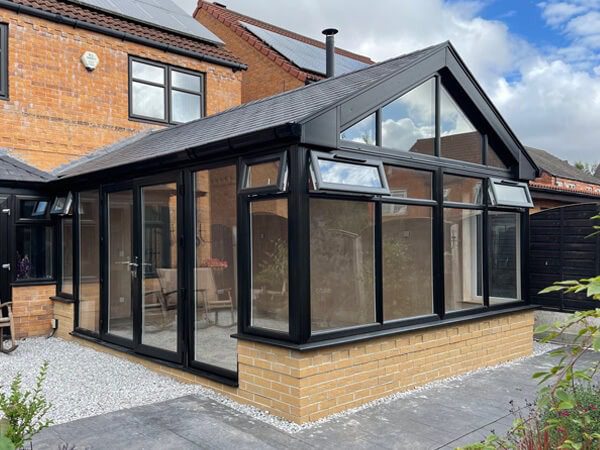
An upgraded, thermally efficient conservatory fundamentally changes the way a homeowner interacts with their property.
It turns a seasonal overflow area into a valuable, permanent living space, adding flexibility and considerable lifestyle benefits.
Whether you’re dreaming of a sun-drenched reading room or a bustling family hub, investing in the thermal performance of your conservatory roof is one of the most effective home improvements you can undertake.
In an era of rising energy costs, this efficiency is crucial; a thermally tight roof acts as a lid on your home’s heat, preventing money from evaporating into the atmosphere.
It is a smart, sustainable investment that ensures every square metre of your home is comfortable, efficient, and enjoyable, regardless of what the British weather is doing outside.